

laminated glass and tempered glass
Level Factory A Cutting-Edge Approach to Optimizing Manufacturing Processes In an era defined by rapid technological advancements and increasing competition, manufacturers are continually seeking innovative solutions to optimize their production processes. One such solution is the concept of a Level Factory. This strategic approach leverages a combination of advanced technologies, lean manufacturing principles, and a focus on continuous improvement to enhance efficiency, improve product quality, and reduce waste. Understanding the Level Factory Concept At its core, a Level Factory refers to a production environment where processes are standardized and harmonized to achieve a consistent flow of goods. The goal is to create a balanced system where production rates are synchronized with demand, reducing fluctuations that can lead to overproduction or underutilization of resources. This alignment not only improves efficiency but also enhances the overall responsiveness of the manufacturing operation. The concept is heavily influenced by lean manufacturing principles, which emphasize the elimination of waste in all forms. In a Level Factory, waste is identified and addressed systematically, whether it’s excess inventory, unnecessary movement, or waiting times. By creating a more streamlined production process, manufacturers can achieve higher throughput without compromising quality. The Role of Technology Embracing technology is a crucial aspect of establishing a Level Factory. Advanced manufacturing technologies such as automation, robotics, and data analytics play a significant role in optimizing production processes. Automated systems can perform repetitive tasks with precision, reducing the likelihood of human error and increasing output rates. Additionally, the integration of Internet of Things (IoT) devices allows for real-time monitoring of equipment and processes, enabling manufacturers to identify bottlenecks and optimize operations on-the-fly. Data analytics also provides valuable insights into production trends and performance metrics. By analyzing historical data, manufacturers can make informed decisions about resource allocation, maintenance schedules, and production planning. This data-driven approach ensures that operations remain agile and adaptable to changing market demands. level factory Continuous Improvement Culture Another critical aspect of the Level Factory model is the emphasis on a culture of continuous improvement. Employees are encouraged to identify inefficiencies and propose solutions. This empowerment fosters a sense of ownership and accountability among team members, leading to innovative ideas that can drive process enhancements. Techniques such as Kaizen, which focuses on small, incremental changes, can be employed to cultivate this culture. Regular training programs ensure that all team members are equipped with the skills needed to contribute to the factory's optimization efforts. By investing in employee development, manufacturers not only enhance their workforce's capabilities but also boost morale and job satisfaction. A motivated team is more likely to buy into the company's vision and strive for excellence. Sustainability and Social Responsibility The Level Factory approach also aligns with the growing emphasis on sustainability and social responsibility in manufacturing. By minimizing waste and optimizing resource utilization, manufacturers can significantly reduce their environmental impact. Furthermore, a Level Factory can implement practices that promote ethical labor standards and community involvement, contributing to a positive corporate image. Consumers are increasingly inclined to support brands that prioritize sustainability and ethical practices. By adopting a Level Factory model, manufacturers can not only enhance their operational efficiency but also meet the rising expectations of socially conscious consumers. Conclusion The Level Factory represents a transformative approach to modern manufacturing. By integrating advanced technologies, fostering a culture of continuous improvement, and prioritizing sustainability, manufacturers can achieve significant gains in efficiency and product quality. In a dynamic market landscape, the ability to adapt swiftly to changing demands while minimizing waste is a competitive advantage that no manufacturer can afford to overlook. As the industry continues to evolve, embracing the principles of the Level Factory will undoubtedly be a critical factor in achieving long-term success.
about
laminated glass and tempered glass
Understanding the Tilting Disc Check Valve A tilting disc check valve is an essential component in fluid transport systems, designed to prevent backflow while allowing forward flow. This type of valve is particularly notable for its innovative design and efficiency, making it a popular choice in various industrial applications. In this article, we will explore the working mechanism, advantages, and applications of tilting disc check valves. Working Mechanism The tilting disc check valve operates based on a simple yet effective principle. At its core, the valve consists of a disc, which is pivoted at a point to tilt open or closed. When fluid flows in the forward direction, the pressure lifts the disc away from the seat, allowing unhindered flow. However, if there is any reverse flow or backpressure, the disc tilts back against the seat, effectively blocking the flow. This tilting mechanism is what distinguishes it from traditional check valves, which often rely on a spring or other mechanisms to close. The design of the tilting disc allows for quick response times, reducing the risk of water hammer and minimizing turbulence. Moreover, the streamlined flow path ensures that the valve can accommodate high flow rates with minimal pressure drop, enhancing overall system efficiency. Advantages of Tilting Disc Check Valves 1. Reduced Maintenance Needs Unlike other types of check valves that may wear down due to mechanical parts or springs, the tilting disc offers a simpler design with fewer moving components. This results in lower maintenance requirements and a longer lifespan. 2. High Flow Capabilities The streamlined shape of the tilting disc allows for higher flow capacities compared to traditional check valves. This feature makes it ideal for use in systems where fluid dynamics are critical, such as in power plants, water treatment facilities, and chemical processing. 3. Minimal Pressure Drop The design of the tilting disc reduces friction and turbulence when fluid flows through, resulting in minimal pressure drop across the valve. This efficiency translates to lower energy consumption and operating costs. 4. Adaptable to Different Orientations Tilting disc check valves can be installed in various orientations—vertical, horizontal, or inclined—without affecting their performance . This flexibility makes them suitable for a wide range of applications and installation requirements. tilting disc check valve 5. Durability Constructed with robust materials such as stainless steel, cast iron, or bronze, tilting disc check valves are built to withstand high pressures and corrosive environments, enhancing their reliability and performance. Applications Tilting disc check valves find widespread use across various industries - Water and Wastewater Management In municipal water systems, these valves regulate water flow and protect against backflow, ensuring clean water supply and protection for treatment facilities. - Power Generation Power plants utilize these valves in cooling water systems and other processes where maintaining pressure and flow direction is critical. - Oil and Gas In pipelines and refineries, tilting disc check valves help manage flow direction and prevent backflow, ensuring safety and operational efficiency. - Chemical Processing The chemical industry often relies on tilting disc check valves to prevent contamination and backflow in systems handling reactive and hazardous materials. Conclusion The tilting disc check valve is a remarkable invention in fluid control technology. With its unique tilting mechanism, high flow capacity, and low maintenance requirements, it offers numerous advantages for various applications. As industries continue to seek more efficient and reliable solutions for fluid management, the tilting disc check valve will undoubtedly cement its role as a vital component in modern engineering. Embracing this technology not only promotes operational efficiency but also enhances systems' safety and reliability, making it an indispensable choice for engineers and operators alike.
-

High quality industrial productsagement

High quality industrial products
View Details -

Meet the diverse needs of customers

Meet the diverse needs of customers
View Details -

Strict quality control

Strict quality control
View Details -

Top raw materials

Top raw materials
View Details -

Trusted supplier

Trusted supplier
View Details
Our application


news and information
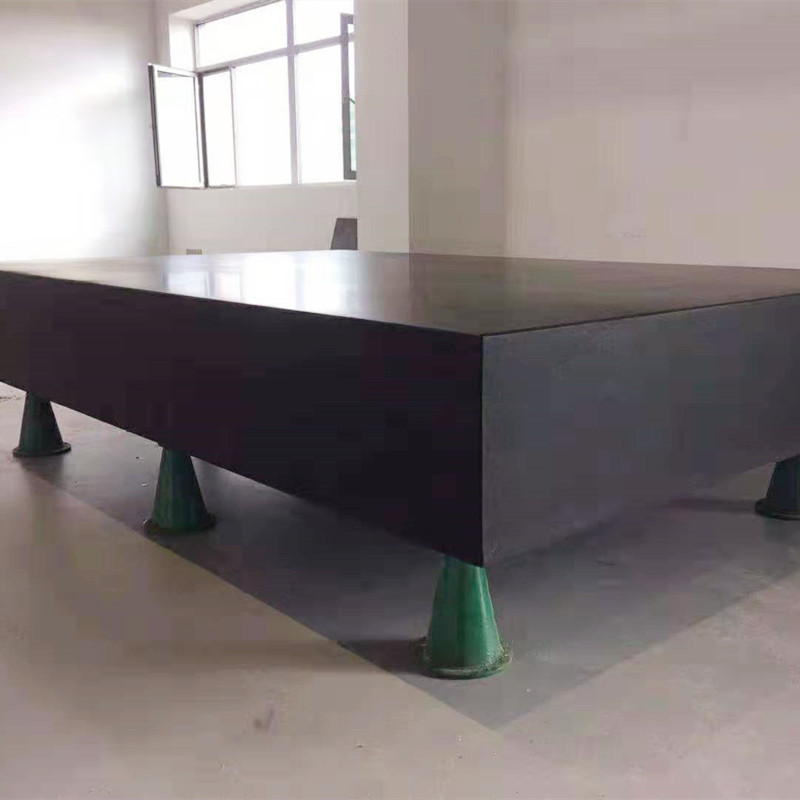
Versatile Clamps for Efficient Fabrication Table Solutions and Secure Workholding
fabrication table clamps .
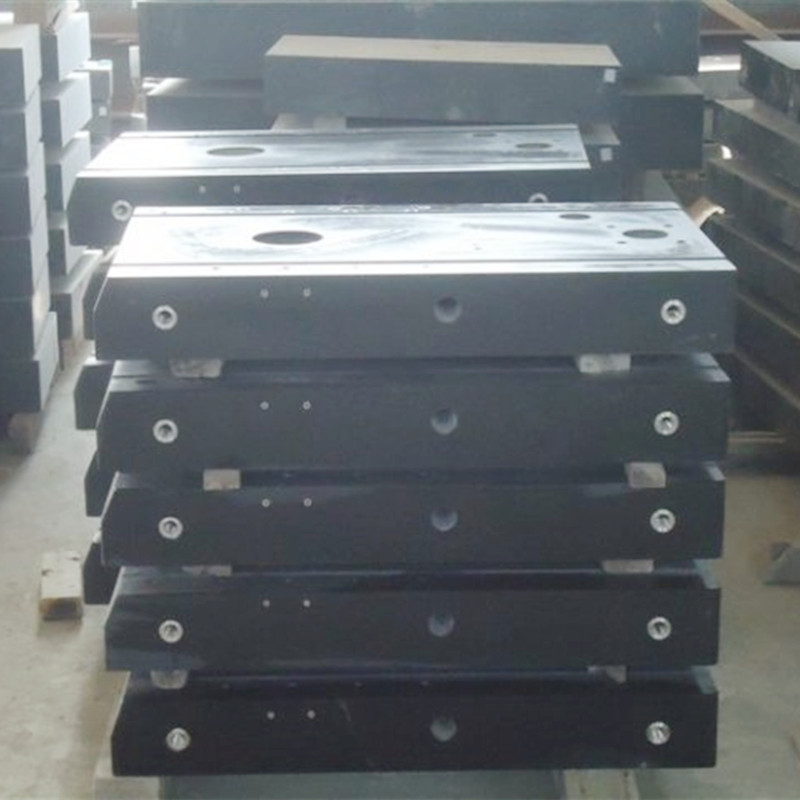
Water Hose Shutoff Valve for Efficient Water Control and Usage Management
The Importance of a Water Hose Shut-Off Valve When it comes to managing water flow in your garden or
workbench fabrication table for efficient welding projects and workspace organization
The Importance of a Workbench Welding Table in Modern Fabrication In the realm of metalworking and f
 English